
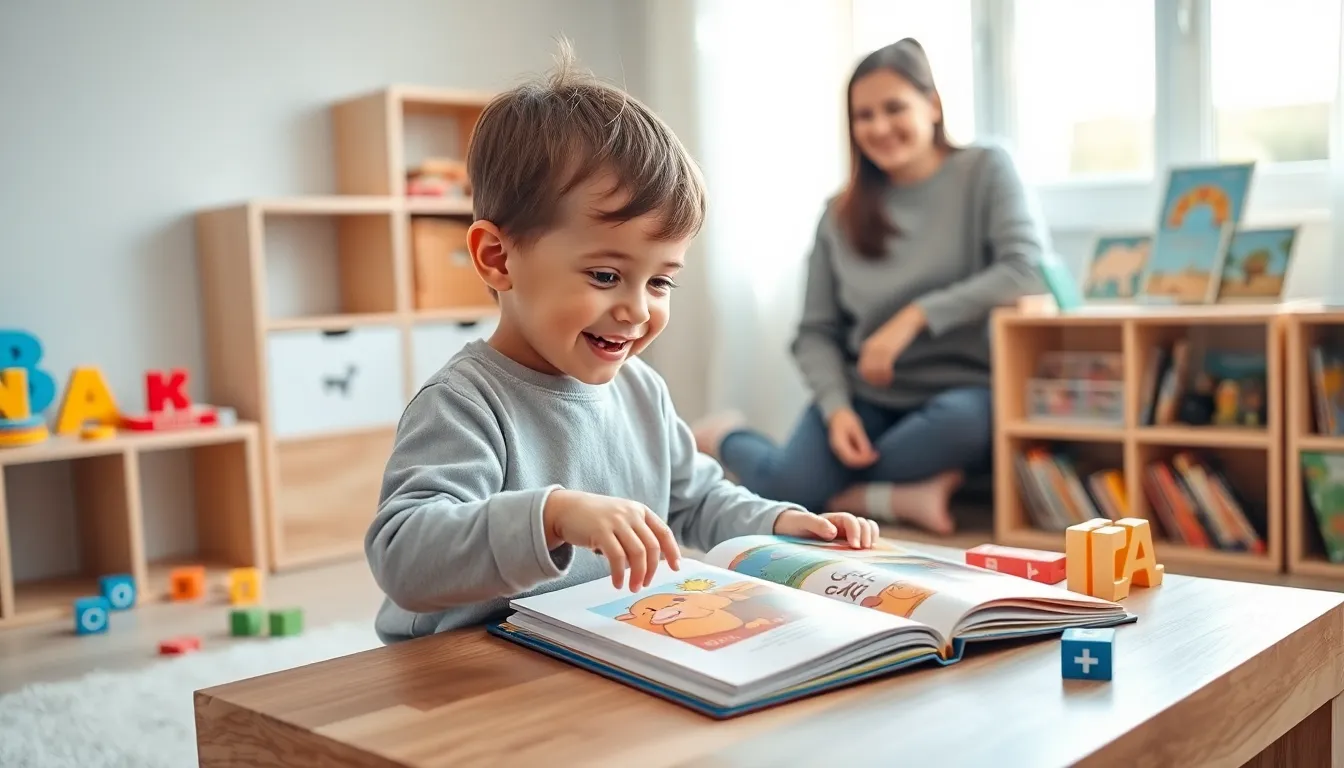
Reading and literacy development for beginners starts with foundational skills that shape lifelong learning. Children who develop strong reading abilities early perform better academically and gain confidence in their education. This guide explains how beginners learn to read, what stages they pass through, and which strategies work best. Parents, teachers, and caregivers will find practical methods to help young learners build essential literacy skills from the ground up.
Table of Contents
ToggleKey Takeaways
- Reading and literacy development for beginners builds on foundational skills like phonemic awareness, print awareness, vocabulary, and letter recognition.
- Children progress through predictable reading stages—from pre-reading (ages 0-5) to transitional reading (ages 7-8)—and each stage requires appropriate support.
- Phonics instruction, shared reading, and repeated reading are proven strategies that help beginners decode words and build fluency.
- Creating a print-rich environment and establishing daily reading routines significantly boost literacy development for beginners.
- Offering book choices based on a child’s interests increases motivation and makes learning to read more enjoyable.
- Celebrating small wins and limiting pressure helps beginners build confidence and develop a lifelong love of reading.
Understanding Early Literacy Skills
Early literacy skills form the building blocks for reading and literacy development for beginners. These skills emerge before formal reading instruction begins and predict future reading success.
Phonemic Awareness
Phonemic awareness is the ability to hear and manipulate individual sounds in words. A child with strong phonemic awareness can identify that “cat” has three sounds: /c/, /a/, and /t/. This skill helps beginners connect spoken language to written words.
Print Awareness
Print awareness means understanding how books and text work. Beginners learn that text reads left to right, pages turn in order, and words on a page carry meaning. Simple activities like pointing to words while reading aloud build this awareness.
Vocabulary Development
A strong vocabulary supports reading comprehension. Children who hear more words understand more of what they read. Daily conversations, storytelling, and reading aloud expand a beginner’s word bank. Research shows that children exposed to rich vocabulary at home enter school with significant advantages in literacy development for beginners.
Letter Recognition
Recognizing letters by name and sound is essential. Beginners who know their letters can start decoding words faster. Alphabet songs, letter puzzles, and magnetic letters make learning engaging. Most children master letter recognition between ages 3 and 5 with consistent practice.
Key Stages of Reading Development
Reading and literacy development for beginners follows predictable stages. Understanding these stages helps adults provide appropriate support at each level.
Pre-Reading Stage (Ages 0-5)
During this stage, children develop awareness of language and print. They enjoy being read to and start recognizing familiar signs and logos. They may “pretend read” by telling stories from pictures. This stage lays the groundwork for formal reading instruction.
Emergent Reading Stage (Ages 5-6)
Beginners start connecting letters to sounds. They recognize simple words and use pictures to help understand stories. Reading feels effortful at this point, children sound out words slowly. Patience and encouragement matter most here.
Early Reading Stage (Ages 6-7)
Readers at this stage decode words more smoothly. They recognize common sight words automatically. Simple books with repetitive patterns build confidence. Fluency begins to develop, and reading becomes less labored.
Transitional Reading Stage (Ages 7-8)
Children read longer texts with fewer pictures. They understand story elements like characters, settings, and plots. Silent reading becomes possible. Vocabulary expands rapidly through independent reading. This stage marks a shift from “learning to read” to “reading to learn.”
Each stage in reading and literacy development for beginners builds on the previous one. Skipping stages creates gaps that affect later comprehension.
Effective Strategies for Teaching Beginners to Read
Teaching reading and literacy development for beginners requires proven methods. The following strategies produce consistent results.
Phonics Instruction
Phonics teaches the relationship between letters and sounds. Systematic phonics instruction, teaching letter-sound patterns in a logical sequence, helps beginners decode new words. Start with simple consonant-vowel-consonant words like “sit” and “hop” before moving to blends and digraphs.
Shared Reading
Shared reading involves reading aloud with a child. The adult models fluent reading while the child follows along. This practice exposes beginners to proper pronunciation, rhythm, and expression. It also builds vocabulary and comprehension simultaneously.
Guided Reading
Guided reading provides targeted instruction in small groups. The teacher selects books at the appropriate level and supports readers through challenges. This approach allows for immediate feedback and correction.
Repeated Reading
Reading the same text multiple times builds fluency. Beginners who reread familiar books gain speed and accuracy. They also understand the content more deeply with each reading. Don’t worry if a child wants to read the same book twenty times, that’s actually helpful.
Word Games and Activities
Games make literacy development for beginners enjoyable. Rhyming games strengthen phonemic awareness. Word hunts encourage letter recognition. Magnetic letter play supports spelling. When learning feels like play, children engage more fully.
Creating a Supportive Learning Environment
The environment shapes reading and literacy development for beginners. A supportive setting encourages practice and builds positive associations with reading.
Build a Print-Rich Space
Surround beginners with text. Label items around the home or classroom. Display books at child height. Post alphabet charts and word walls. When print appears everywhere, children see reading as a natural part of daily life.
Establish Reading Routines
Consistent reading times create habits. A nightly bedtime story or a morning read-aloud session signals that reading matters. Even 15 minutes daily adds up to significant literacy exposure over time.
Offer Choice
Let beginners choose their own books sometimes. Interest drives motivation. A child passionate about dinosaurs will work harder to read a dinosaur book. Libraries offer free access to thousands of options for every interest.
Celebrate Progress
Recognize small wins in literacy development for beginners. A new word decoded, a page read independently, a book finished, each milestone deserves acknowledgment. Positive reinforcement builds confidence and persistence.
Limit Pressure
Forcing reading creates resistance. If a child struggles, take a break. Keep sessions short and positive. Frustration blocks learning. Reading and literacy development for beginners works best in a relaxed, encouraging atmosphere.
Model Reading
Children imitate adults. When they see parents and teachers reading for pleasure, they view reading as valuable. Put down the phone and pick up a book, beginners notice.

