
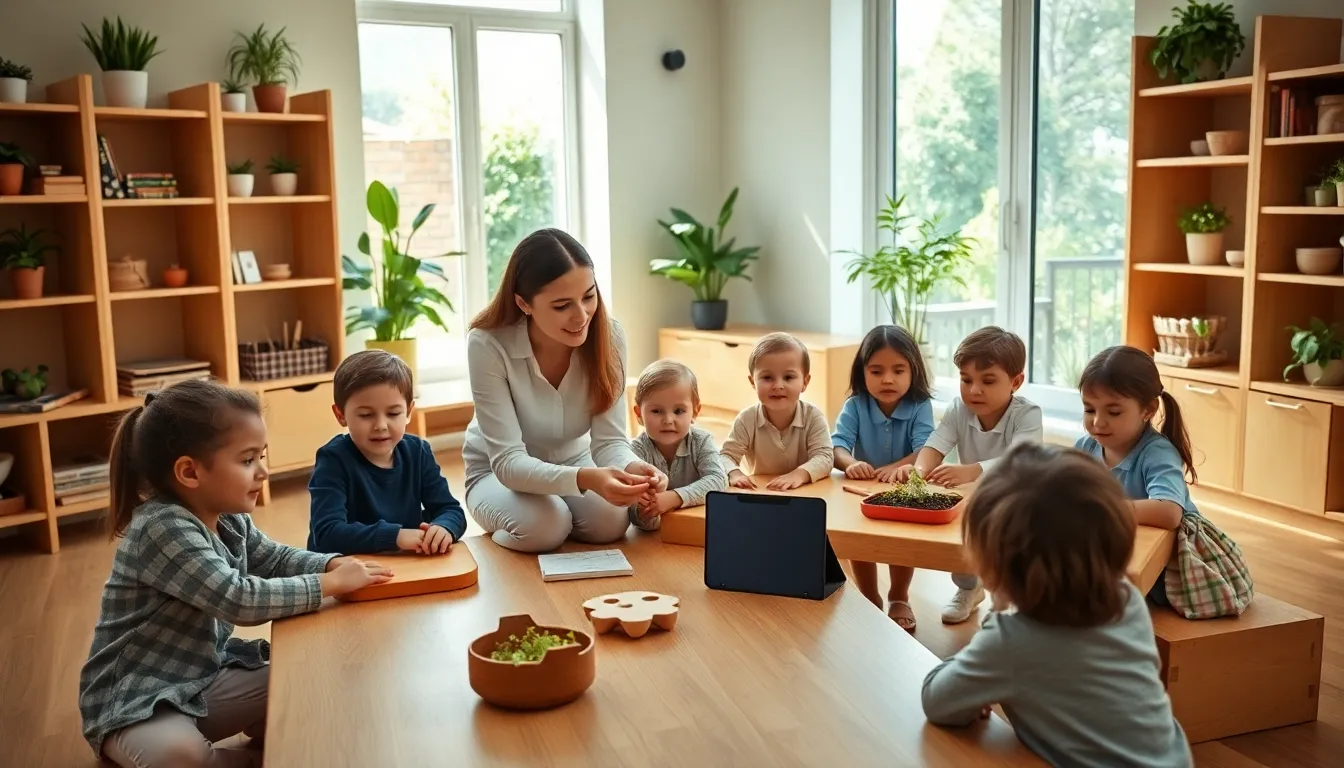
Montessori trends 2026 point toward significant shifts in how children learn and grow. Parents and educators are paying attention to new developments that blend traditional Montessori methods with modern needs. This year brings fresh approaches to outdoor learning, thoughtful technology use, and broader access to Montessori education. Schools and families want learning experiences that support the whole child, academically, emotionally, and socially. The following sections explore five key Montessori trends 2026 that will shape classrooms and homes throughout the year.
Table of Contents
ToggleKey Takeaways
- Montessori trends 2026 emphasize nature-based learning, with more schools incorporating outdoor classrooms, forest programs, and garden-based curricula.
- Technology integration in Montessori classrooms focuses on intentional, child-directed use rather than passive screen time.
- Public Montessori programs and scholarship options are expanding, making this educational approach accessible to more families.
- Homeschool Montessori resources are surging in popularity, with complete kits, subscription boxes, and online communities supporting parents.
- Social-emotional development takes center stage, with peace education, mindfulness practices, and trauma-informed teaching becoming classroom priorities.
- Montessori trends 2026 reflect a whole-child approach that balances academic growth with emotional well-being and real-world experiences.
The Rise of Nature-Based Montessori Learning
Nature-based Montessori learning has gained momentum, and 2026 marks a turning point. More schools are moving lessons outdoors. Children explore forests, gardens, and streams as part of their daily curriculum.
This approach aligns with Maria Montessori’s original vision. She believed children learn best through direct contact with the natural world. Today’s educators are putting that belief into practice with outdoor classrooms, nature walks, and hands-on environmental projects.
Research supports this shift. Studies show that outdoor learning improves focus, reduces stress, and boosts creativity. Children who spend time in nature often show stronger problem-solving skills. They also develop a deeper sense of responsibility toward the environment.
Montessori trends 2026 include forest schools and garden-based programs expanding across the country. Urban schools are creating rooftop gardens and partnering with local parks. Rural programs are taking full advantage of surrounding landscapes.
Parents are noticing the difference. Kids come home excited about observing insects, planting seeds, or building with natural materials. This hands-on connection to the earth gives children experiences that screens simply can’t replicate.
Technology Integration With Montessori Principles
Technology and Montessori might seem like an odd pairing. But in 2026, educators are finding ways to blend the two without losing sight of core principles.
The key is intention. Montessori classrooms don’t use technology for entertainment or passive consumption. Instead, they use it as a tool, one that children control and direct. Apps that let students record observations, research topics of interest, or communicate with pen pals in other countries fit the Montessori philosophy.
Some schools are introducing coding and robotics activities that encourage logical thinking. Children work with physical materials like programmable robots alongside digital tools. The hands-on element remains central.
Montessori trends 2026 show a careful approach to screen time. Teachers limit exposure and prioritize analog experiences. When technology appears, it serves a clear purpose. Children might use tablets to document a science experiment or research an animal they discovered outside.
This balance matters to parents who want their kids prepared for a digital world without losing the benefits of tactile, real-world learning. Schools that get this balance right are seeing increased enrollment and parent satisfaction.
Expanding Montessori Access and Inclusivity
For decades, Montessori education carried a reputation for exclusivity. High tuition costs placed it out of reach for many families. That’s changing in 2026.
Public Montessori programs are growing. More school districts are opening Montessori magnet schools and charter options. These programs offer the Montessori method without private school price tags.
Scholarship funds and sliding-scale tuition models are also expanding at private Montessori schools. Organizations are working to make Montessori education available to children from all economic backgrounds.
Montessori trends 2026 highlight a push for cultural and linguistic diversity too. Schools are hiring more bilingual guides and incorporating materials that reflect a wide range of cultures. Classrooms are becoming spaces where every child sees themselves represented.
Inclusion of children with different learning needs is another priority. Montessori’s individualized approach naturally supports diverse learners. Schools are adding training for guides on supporting children with ADHD, autism, and other differences. The mixed-age classroom structure helps children learn at their own pace without stigma.
This expansion of access strengthens the Montessori movement. A more diverse community of families brings fresh perspectives and energy.
Growing Demand for Montessori Homeschool Resources
Homeschooling saw massive growth during the pandemic. Many of those families stayed home, and they’re looking for structure and guidance. Montessori homeschool resources have become increasingly popular as a result.
Parents appreciate the Montessori framework because it provides clear stages of development and suggested activities. They don’t need to reinvent the wheel. Curricula, materials, and online courses give families a roadmap.
Montessori trends 2026 show a surge in companies offering complete homeschool kits. These include practical life materials, sensorial activities, and language resources. Some companies provide monthly subscription boxes with age-appropriate Montessori activities.
Online communities connect homeschooling parents with each other and with trained Montessori educators. Parents can ask questions, share successes, and troubleshoot challenges. This support network makes home-based Montessori feel less isolating.
Co-ops and hybrid programs are also emerging. Families meet weekly for group lessons while continuing Montessori work at home. These arrangements combine the flexibility of homeschooling with the social benefits of group learning.
The demand for quality Montessori homeschool resources continues to rise. Families want educational approaches that respect children’s natural curiosity. Montessori delivers that, whether in a classroom or at the kitchen table.
Emphasis on Social-Emotional Development
Academic skills matter, but they’re not everything. Montessori trends 2026 place heavy emphasis on social-emotional development.
Children need to understand their feelings, manage frustration, and work cooperatively with others. These skills predict long-term success in school, work, and relationships. Montessori education has always addressed these areas, and the focus is sharpening.
Peace education remains central. Many Montessori classrooms feature peace corners where children can calm down and reflect. Conflict resolution lessons teach students to express their needs and listen to others.
Guides are receiving additional training in trauma-informed practices. They learn to recognize signs of stress or anxiety and respond with compassion. The goal is to create classrooms where every child feels safe and valued.
Mindfulness practices are appearing in more Montessori settings. Short breathing exercises, guided visualization, and quiet reflection help children build self-awareness. These practices give kids tools they can use throughout their lives.
Parents are asking for this emphasis. They see children facing pressure from academics, social media, and world events. Montessori schools that prioritize emotional health alongside intellectual growth are meeting a real need.

