
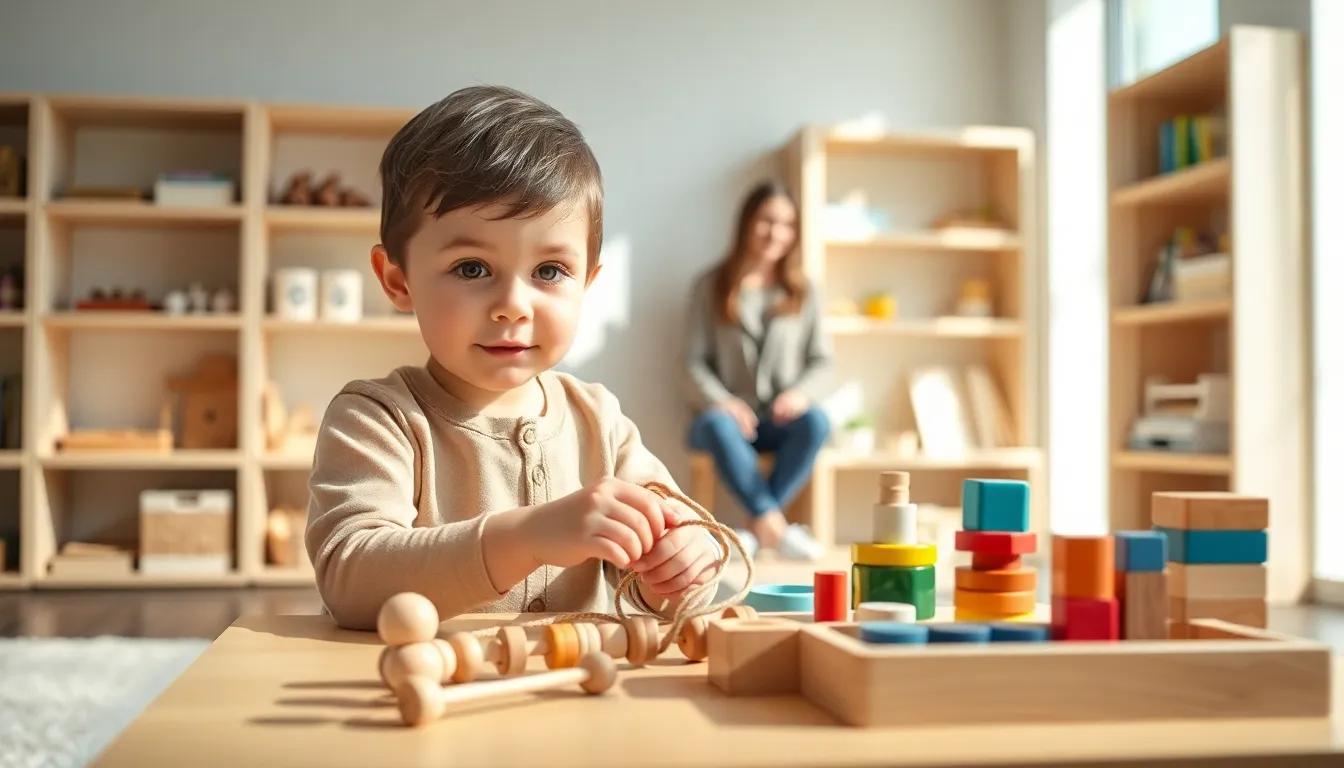
Montessori techniques offer a proven approach to child-led learning that parents and educators use worldwide. These methods place children at the center of their education. They learn through hands-on activities, self-directed exploration, and carefully structured environments.
Dr. Maria Montessori developed these techniques over a century ago. Her observations of children revealed something important: kids learn best when they have control over their learning process. Today, millions of families apply Montessori techniques in classrooms and homes alike.
This guide covers the core principles behind Montessori methods. It explains practical techniques for everyday use and shows how families can apply them at home. Whether someone is new to Montessori or looking to deepen their practice, these strategies provide a solid foundation for supporting children’s natural development.
Table of Contents
ToggleKey Takeaways
- Montessori techniques place children at the center of learning through hands-on activities and self-directed exploration.
- A prepared environment with organized, accessible materials helps children develop independence and problem-solving skills.
- Children learn best during “sensitive periods” when they’re naturally receptive to specific skills like language or order.
- Parents can apply Montessori techniques at home by involving children in real tasks like cooking, cleaning, and gardening.
- Limiting toys and rotating materials encourages deeper engagement and prevents overwhelm.
- Observing before intervening allows children to struggle productively and build confidence through their own discoveries.
Core Principles Behind Montessori Methods
Montessori techniques rest on several foundational principles. Understanding these principles helps parents and teachers apply the methods correctly.
Respect for the Child
Montessori education treats children as capable individuals. Adults serve as guides rather than directors. They observe each child’s interests and readiness. Then they offer appropriate activities and step back. This respect builds confidence and independence.
The Absorbent Mind
Children from birth to age six absorb information from their environment effortlessly. Their brains work like sponges. Montessori techniques take advantage of this natural ability. Adults provide rich sensory experiences during this critical period.
Sensitive Periods
Children pass through specific windows of time when they’re especially receptive to learning certain skills. A toddler might become fascinated with order. A preschooler might obsess over letters. Montessori techniques recognize these sensitive periods and provide matching activities.
Intrinsic Motivation
Montessori classrooms avoid rewards and punishments. Why? Because external motivators can undermine a child’s natural desire to learn. Children feel genuine satisfaction when they master new skills. Montessori techniques preserve and strengthen this internal drive.
Learning Through Movement
Young children process information through their bodies. They need to touch, manipulate, and move. Montessori techniques incorporate physical activity into every lesson. Math becomes tangible through counting beads. Language grows through tracing sandpaper letters.
These principles work together. They create an educational approach that honors how children actually develop.
Essential Montessori Techniques for Everyday Use
Montessori techniques translate theory into action. These practical methods work in classrooms and homes.
Prepared Environment and Materials
The prepared environment is central to Montessori techniques. Every element serves a purpose.
Organization and Accessibility
Materials sit on low, open shelves at child height. Children can see their options and make independent choices. Each item has a designated spot. This organization teaches order and responsibility.
Beautiful, Purposeful Materials
Montessori materials are attractive and well-made. They invite exploration. Most are made from natural materials like wood, glass, and metal. Children treat quality items with care.
Control of Error
Many Montessori materials include built-in feedback. A puzzle piece only fits one way. A tower of blocks falls if stacked incorrectly. Children discover their own mistakes without adult correction. This feature builds problem-solving skills and independence.
Isolation of Concepts
Each material teaches one skill or concept at a time. Color tablets teach color discrimination only, nothing else distracts from that focus. This isolation helps children master skills thoroughly before moving on.
Freedom Within Limits
Montessori techniques balance freedom with structure. Children make choices within clear boundaries.
Choice of Activity
Children select their own work. They might choose practical life activities, sensory exploration, or academic materials. This choice increases engagement and ownership.
Choice of Duration
Children work with materials for as long as they need. Uninterrupted work periods, typically two to three hours, allow deep concentration. Adults protect this time.
Clear Boundaries
Freedom doesn’t mean chaos. Children learn specific ways to use each material. They carry items with two hands. They return materials to shelves before choosing new work. They move quietly to avoid disturbing others.
Natural Consequences
Montessori techniques use natural consequences rather than arbitrary punishments. If a child spills water, they clean it up. If they mistreat materials, those materials become unavailable temporarily. Children learn responsibility through direct experience.
Applying Montessori Techniques at Home
Parents don’t need a classroom to use Montessori techniques. These methods adapt easily to home settings.
Create Child-Friendly Spaces
Set up areas where children can function independently. Put snacks on low shelves. Store clothes in accessible drawers. Place step stools in kitchens and bathrooms. Small changes make big differences in daily independence.
Involve Children in Real Work
Montessori techniques emphasize practical life activities. Children can help with cooking, cleaning, and gardening. They can fold laundry, set tables, and water plants. These tasks build skills and self-worth. Plus, children love contributing to family life.
Follow the Child’s Interests
Pay attention to what captures a child’s attention. A fascination with bugs might lead to nature walks, library books, and a bug observation jar. Montessori techniques build on existing interests rather than imposing adult agendas.
Slow Down and Observe
Montessori-trained adults watch before they intervene. They notice what children can do independently. They wait before offering help. This patience allows children to struggle productively and solve problems themselves.
Model Instead of Lecture
Montessori techniques rely on demonstration. Show children how to pour water, button a shirt, or sweep the floor. Use slow, deliberate movements. Break tasks into small steps. Then let children practice.
Limit Toys and Rotate Materials
Too many options overwhelm children. Select a few high-quality toys and activities. Display them attractively. Rotate items every few weeks to maintain interest. This approach encourages deeper engagement.
Establish Consistent Routines
Children thrive on predictability. Montessori techniques work best within structured daily rhythms. Morning routines, mealtimes, and bedtimes become smoother when children know what to expect.

