
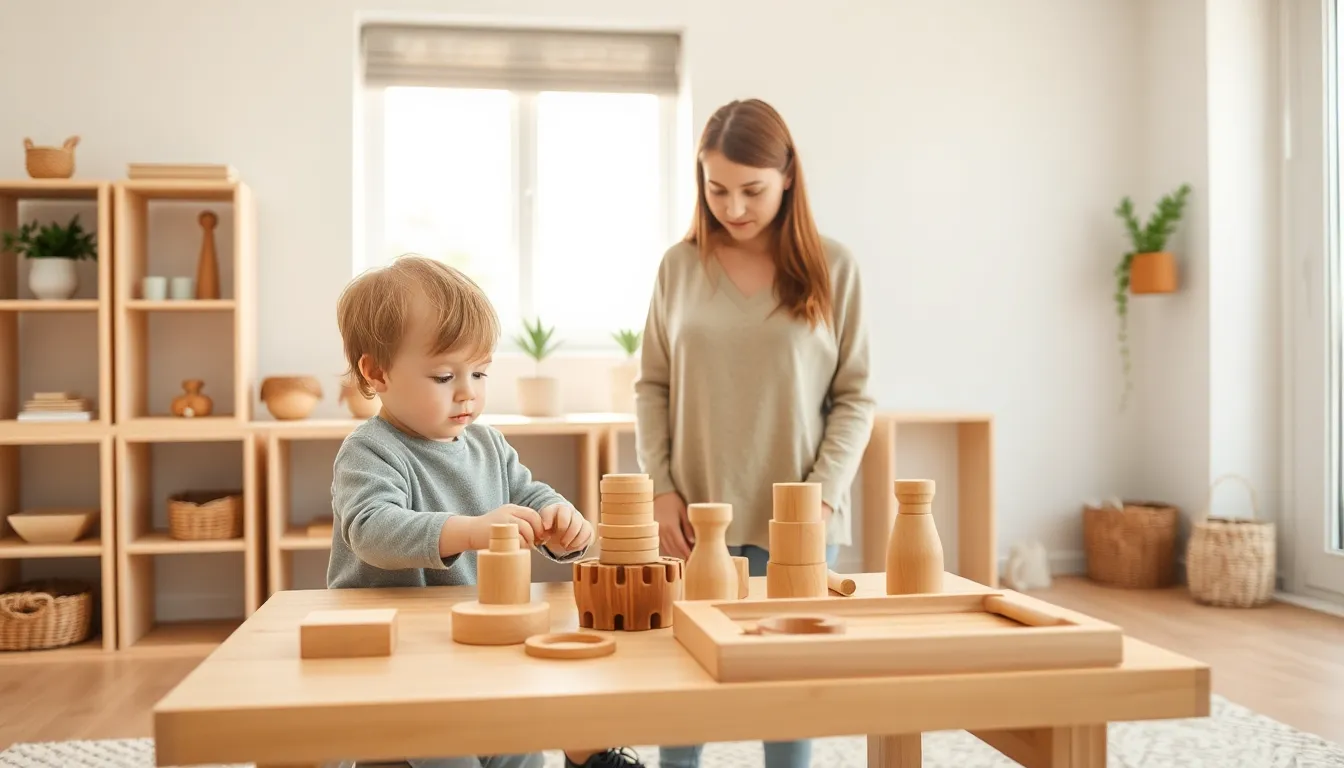
Montessori for beginners can feel overwhelming at first. Parents hear about child-led learning, prepared environments, and special materials, and they wonder where to start. The good news? Getting started with Montessori is simpler than most people think.
This educational approach has helped children develop independence, focus, and a genuine love of learning for over a century. Dr. Maria Montessori developed the method in Italy in 1907, and it has since spread to thousands of schools worldwide. But Montessori isn’t just for classrooms. Families can apply these principles at home with minimal expense and maximum impact.
This guide breaks down everything beginners need to know. It covers the core philosophy, practical home applications, material selection, and common pitfalls to avoid. By the end, readers will have a clear roadmap for bringing Montessori into their daily lives.
Table of Contents
ToggleKey Takeaways
- Montessori for beginners starts with understanding that children have an innate desire to learn—adults simply prepare an environment that invites exploration.
- Create accessible spaces at home by placing items at child height and involving kids in daily tasks like cooking and cleaning to build independence.
- Start with practical life tools like child-sized brooms and small pitchers before investing in expensive Montessori materials.
- Follow your child’s interests and limit screen time to encourage hands-on, real-world learning experiences.
- Avoid common beginner mistakes like buying too much too soon, hovering over children, or expecting perfection immediately.
- Adapt Montessori principles to fit your family’s unique circumstances rather than following rigid rules.
What Is the Montessori Method?
The Montessori method is an educational approach that respects children as capable, curious individuals. It emphasizes hands-on learning, self-directed activity, and collaborative play. Teachers (or parents) act as guides rather than lecturers.
Dr. Maria Montessori observed that children learn best when they can choose their activities and work at their own pace. She noticed that even young children could concentrate deeply when given the right tools and environment. Her research led to a philosophy that treats education as a natural process.
Montessori for beginners starts with understanding this core idea: children have an innate desire to learn. Adults don’t need to force knowledge into them. Instead, they prepare an environment that invites exploration.
A typical Montessori setting looks different from traditional classrooms. Children of mixed ages work together. Materials sit on low shelves where kids can reach them independently. The atmosphere feels calm and purposeful rather than chaotic.
This method works because it aligns with how children naturally develop. Young minds absorb information from their surroundings constantly. Montessori harnesses this tendency by making the surroundings educational, beautiful, and accessible.
Core Principles of Montessori Education
Several key principles guide Montessori education. Understanding these helps beginners apply the method correctly.
Respect for the Child
Montessori treats children as complete individuals deserving of respect. Adults speak to them politely, acknowledge their feelings, and trust their choices. This respect builds confidence and self-worth.
The Prepared Environment
The physical space matters enormously in Montessori. Everything has a place. Materials are organized, accessible, and age-appropriate. The environment itself teaches children order and independence.
Child-Led Learning
Children choose what they work on and for how long. This freedom within limits allows them to follow their interests. When a child selects an activity, they engage more deeply with it.
Hands-On Materials
Montessori materials are concrete and sensory. Children learn math by touching beads. They learn letters by tracing sandpaper shapes. This physical interaction builds understanding before abstract concepts are introduced.
Mixed-Age Groupings
Montessori classrooms typically group children in three-year spans. Younger children learn from older peers. Older children reinforce their knowledge by teaching. This structure mirrors real-world social dynamics.
Uninterrupted Work Periods
Children need time to concentrate. Montessori schedules include long work blocks, often three hours, where children can focus without interruption. This practice develops attention span and deep thinking skills.
How to Apply Montessori at Home
Montessori for beginners doesn’t require expensive schools or perfect setups. Parents can carry out key ideas at home with simple changes.
Create Accessible Spaces
Put things at child height. Use low hooks for coats, step stools at sinks, and small pitchers for pouring drinks. When children can do things themselves, they build independence.
Simplify Toys and Materials
Too many options overwhelm children. Keep a small rotation of quality toys available. Store extras out of sight and swap them periodically. This approach encourages deeper play with fewer items.
Involve Children in Daily Tasks
Montessori emphasizes practical life skills. Let kids help with cooking, cleaning, and gardening. A two-year-old can wipe tables. A four-year-old can fold laundry. These activities teach coordination, responsibility, and contribution.
Follow the Child’s Interests
Pay attention to what captures your child’s attention. If they love bugs, get books about insects. If they enjoy stacking, provide different materials to stack. Following interests makes learning feel like play.
Limit Screen Time
Montessori prioritizes real-world, hands-on experiences. Screens deliver passive entertainment. They don’t build the same neural connections as physical activity and exploration. Many Montessori families delay or limit digital devices.
Model Calm Behavior
Children absorb the energy around them. Speak calmly, move purposefully, and demonstrate patience. This modeling teaches emotional regulation better than any lecture.
Choosing the Right Montessori Materials
Beginners often ask about Montessori materials. The good news: you don’t need to buy everything at once. Start small and add items as needed.
Start with Practical Life Tools
These materials teach daily living skills. Consider child-sized brooms, small pitchers, tongs for transferring objects, and buttoning frames. These tools build fine motor skills and independence.
Add Sensorial Materials Gradually
Sensorial materials develop the senses. Examples include color tablets, sound cylinders, and texture boards. These items help children classify and understand their world through direct experience.
Choose Quality Over Quantity
Montessori materials are designed to be beautiful and durable. Wooden items feel different from plastic ones. Children notice this quality and treat materials with more care. One well-made item beats ten cheap alternatives.
Use Open-Ended Items
Blocks, fabric scraps, shells, and natural objects offer endless possibilities. Children can use them in many ways, which encourages creativity and problem-solving.
Consider DIY Options
Many Montessori materials can be made at home. Sand trays for letter practice, sorting activities with household objects, and pouring exercises with dried beans cost almost nothing. Pinterest and Montessori blogs offer countless free tutorials.
Match Materials to Development
A material that’s too advanced frustrates children. One that’s too easy bores them. Observe your child carefully and introduce new challenges when they seem ready.
Common Mistakes to Avoid as a Beginner
Montessori for beginners comes with a learning curve. These common mistakes can derail progress.
Buying Too Much Too Soon
Enthusiastic parents sometimes purchase hundreds of dollars in materials before understanding the philosophy. Start with books and observation. Learn the principles first. Materials mean nothing without the mindset behind them.
Hovering Over Children
Montessori requires adults to step back. Resist the urge to correct, help, or direct constantly. Children learn through trial and error. Let them struggle a bit before offering assistance.
Expecting Perfection Immediately
Children transitioning to Montessori need adjustment time. They may initially wander or seem lost without constant direction. This phase passes. Trust the process.
Ignoring the Prepared Environment
Some beginners focus on materials while neglecting the overall space. Clutter, disorganization, and inaccessible items undermine Montessori principles. The environment itself is a teaching tool.
Being Too Rigid
Montessori offers guidelines, not strict rules. Every child and family differs. Adapt the approach to fit your circumstances. A stressed parent following perfect Montessori helps no one.
Comparing to Other Children
Montessori respects individual timelines. Some children read at four: others read at seven. Both are fine. Comparison creates anxiety and misses the point of child-led development.

